7 Best Carbonless Paper 2 Part Suppliers Worldwide?
Choosing reliable Carbonless Paper 2 Part suppliers requires more than comparing prices. The paper must create clear duplicate records without carbon sheets, smudging, or uneven pressure transfer. A delivery note should look sharp on both copies, even after being handled in a busy warehouse.
Paper-converting specialist Dr. Robert A. Smith observes, “Carbonless paper performs best when coating consistency, moisture balance, and sheet compatibility are treated as one system.” This practical view matters when evaluating global suppliers. Their products should offer matched top and bottom sheets, stable coating performance, accurate grammage, and dependable printing results. Small differences can become visible problems.
This guide reviews seven respected Carbonless Paper 2 Part suppliers worldwide. It considers manufacturing experience, product customization, export capability, technical support, packaging, and quality documentation. Some suppliers may offer excellent paper but limited regional service. Others may provide fast shipping while lacking flexible sheet sizes. That trade-off deserves attention.
Real-world testing remains essential. Request samples before placing a large order. Print a dense invoice, stack the forms, and test the duplicate after several hours. Check whether the copy stays readable at the edges. Also examine packaging, because humidity can damage paper before production begins.
No supplier is perfect. Requirements vary by printer, climate, application, and budget. Therefore, this list should support careful comparison rather than replace direct verification. Reliable sourcing begins with evidence, not attractive claims.
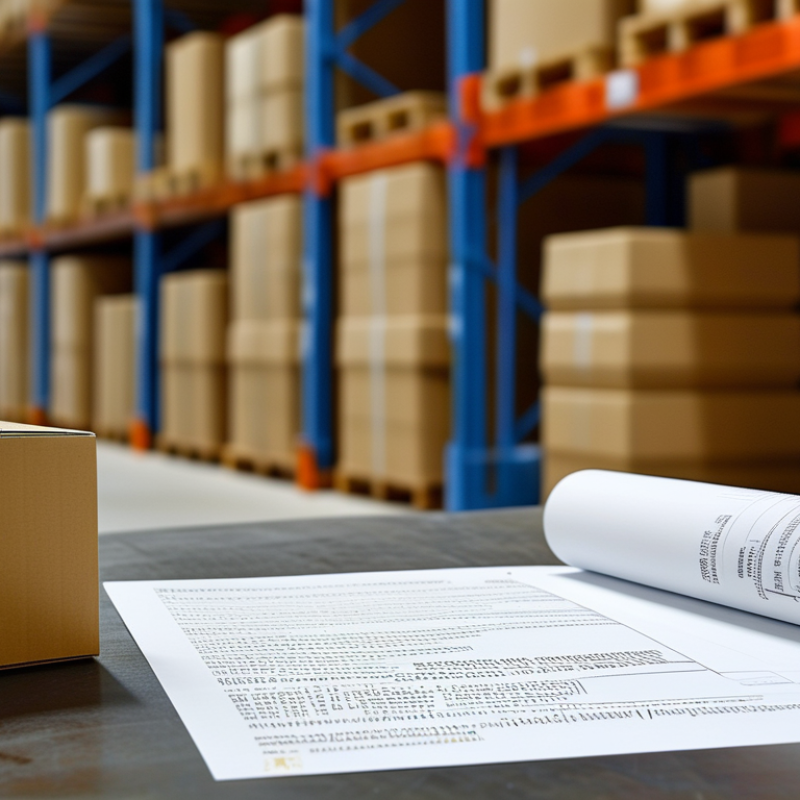
Carbonless 2-Part Paper Explained: CB and CFB Sheets in One Set
Carbonless 2-part paper looks simple, but its sheet structure needs careful checking. The upper CB sheet carries microcapsules on its reverse side. Pressure from a pen or printer breaks them. The released dye reacts with the coating on the lower CFB sheet and creates a readable duplicate.
That sounds straightforward. It is not always.
A conventional two-part form often uses CB and CF paper, while CFB paper is commonly used in three-part sets. Some suppliers still offer CB and CFB together for specific applications. Buyers should confirm the coated sides, paper weight, image color, and intended set sequence before ordering. A practical test is useful: write one firm line, separate the sheets, and inspect the copy under normal office lighting. Check offset printing, toner compatibility, curl, and image sharpness after 24 hours.
Industry scale explains why sourcing discipline matters. FAO forestry statistics place global paper and paperboard production at roughly 400 million tonnes annually, yet specialty carbonless grades represent only a narrow segment. Smithers’ recent paper and print market analysis also highlights continuing demand for transactional and logistics documents. This is not a reason to overbuy. It is a reason to specify accurately.
Humidity matters. So does storage.
Keep cartons flat, dry, and away from direct heat. In my experience, a supplier can provide attractive samples while missing the required coating configuration. That small mismatch creates weak copies, wasted forms, and an avoidable reprint.
Supplier Selection Metrics: 40–60 g/m², A4/A5, and ISO 536 Testing
For a two-part carbonless paper supplier, specification discipline matters more than catalogue claims. The 40–60 g/m² range should be verified by laboratory testing, not accepted from a product sheet. ISO 536:2019 defines grammage as mass per unit area, reported in g/m². Request the test method, conditioning conditions, sample size, and tolerance. A small variation can affect feeding, folding, and handwriting pressure.
Format accuracy is equally practical. ISO 216 sets A4 at 210 × 297 mm and A5 at 148 × 210 mm. Suppliers should provide trimmed samples, not only oversized sheets. Check corner squareness, edge dust, and curl after storage. Recent specialty-paper market reviews from Smithers identify lightweight grades and converting consistency as important purchasing factors. That supports a 40–60 g/m² screening range, although it should not become a rigid rule.
Ask for an ISO 536 report from an independent laboratory. Compare at least three production lots. Also inspect image transfer between the top and bottom sheets, especially near the edges. The result should remain readable without excessive pressure. In practice, this is where some supplier claims weaken. A clean sample may hide uneven coating or humidity sensitivity. My own selection preference is simple: repeatable measurements, clear lot records, and samples tested after realistic warehouse exposure. Price comes later.
Seven Leading Worldwide Suppliers: Capacity, Regions, and Product Fit
7 Best Carbonless Paper 2 Part Suppliers Worldwide?
Seven Leading Worldwide Suppliers: Capacity, Regions, and Product Fit
The strongest supplier options usually fall into seven global profiles. Large Asian mills offer high capacity, competitive pricing, and broad export coverage. European producers often provide tighter shade control, dependable coating, and strong technical support. North American suppliers commonly serve regional printers with stable lead times and custom formats. Middle Eastern converters can shorten delivery routes between Europe, Africa, and Asia. Latin American suppliers may fit local invoice and delivery-note demand. Smaller specialty mills focus on low-volume orders, unusual sheet sizes, or rapid sampling. Regional distributors add warehouse stock and flexible mixed-carton purchasing.
Fit depends on more than price. A busy logistics printer may need durable two-part sets, clean image transfer, and rolls or sheets that run smoothly through presses. Retail forms may require sharp writing on the top sheet and even color development underneath. Ask about monthly output, coating consistency, core options, moisture protection, and export packing. Some capacity figures are vague. I would verify them with recent production samples and shipment records.
Tips: Request three test batches. Compare handwriting, impact printing, curl, and storage performance. Check cartons after a long sea journey. A cheaper offer can fail if paper dust slows the press. Also confirm whether the supplier can maintain the same shade across repeat orders. Perfect consistency is difficult, so document acceptable limits before signing.
7 Best Carbonless Paper 2 Part Suppliers Worldwide
Product-fit benchmark for common two-part carbonless paper formats. The comparison uses widely adopted commercial specifications rather than company or brand data.
Two-part carbonless sets generally use a CB top sheet and a CF bottom sheet, commonly around 48–55 gsm per sheet. A4 and Letter formats are widely used for invoices, delivery notes, purchase orders, receipts, and office forms. Exact basis weight, coating performance, and converting options vary by grade and supplier.
Compliance Checks: FSC Chain of Custody, REACH, and ISO 9001 Evidence
When screening the 7 best carbonless paper suppliers worldwide, compliance evidence deserves more attention than catalogue photos. FSC’s 2023 facts and figures reported more than 50,000 Chain of Custody certificates globally. That scale makes certificate checking essential, not optional. Request the certificate number, product scope, site address, and expiry date. Then compare them with the quoted paper grade and manufacturing location. A valid certificate may not cover every trading company or converting site. I have seen this gap during document reviews.
REACH evidence needs similar care. Ask for a current declaration covering chemical restrictions and Substances of Very High Concern. Check its issue date, product identification, and responsible legal entity. Generic one-page statements are weak evidence. ECHA registration statistics show tens of thousands of substances managed under REACH, so vague wording creates unnecessary risk. ISO Survey 2023 recorded 1,265,216 ISO 9001 certificates worldwide. However, certification alone does not prove consistent carbonless paper quality. Review the accredited certificate, scope, audit dates, complaint records, and corrective actions. Pay attention to batch traceability, especially when paper arrives in wrapped pallets with handwritten labels. A missing test report may be innocent, but it still needs explanation. Supplier rankings should reward transparent records, not polished claims.
Price, MOQ, Lead Time, and Print Performance: A Buyer’s Comparison
For buyers comparing 2-part carbonless paper suppliers, price depends on sheet size, coating grade, color, and order volume. A practical 2024 benchmark is $0.03–$0.12 per two-part set for standard formats. Custom sizes cost more. Typical MOQs range from 500 to 5,000 sets, while larger factories may accept 300 sets with a setup surcharge. Check the quotation carefully. Tooling, packing, and freight are often excluded.
Lead time usually runs from 7 to 25 working days after artwork approval. Local stock can shorten delivery, but it may limit paper weight and color choices. Smithers’ 2024 global printing outlook reports continued growth in digital print, especially for shorter runs and variable documents. That trend makes low-MOQ digital production more competitive, although offset printing can still offer stronger unit economics for large batches.
Print performance needs physical testing, not only a sample photograph. A reliable 2-part set should produce clear transfer under normal writing pressure, without excessive ghosting or premature marks. Ask suppliers for basis weight, coating uniformity, image density, and storage conditions. ISO 12647-2 can support color process control, but it does not guarantee carbonless image transfer. In my experience, a 20-sheet trial reveals more than a polished sales sample. One weakness remains: suppliers rarely disclose their full coating formulation, so buyer verification is still necessary.
