What Is the Best Wide Tape for Packaging in 2026?

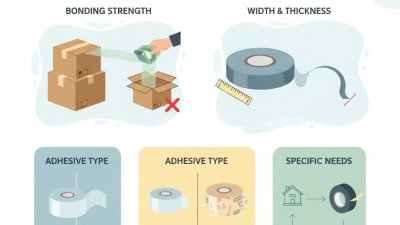
Choosing the best wide tape for packaging in 2026 depends on what the box must survive. A wide roll can cover more surface and help seal large cartons with fewer strips. But width alone does not guarantee a secure closure. Adhesive strength, backing material, carton texture, and storage conditions all matter.

A practical comparison starts with the package, not the product label. Consider the carton’s weight, recycled content, and roughness, then check whether the tape applies smoothly by hand or with a dispenser. For heavier boxes, test a short strip on the actual carton and press it firmly across the seam. Watch for lifted edges, wrinkles, or adhesive that releases after the box sits overnight. Small details count.

Temperature matters, too. A tape that grips well in a warm packing room may behave differently in a chilly warehouse. Product specifications can guide selection, though real packaging conditions may not match every test environment. There is no universal winner for every business. A low-cost roll may suit light parcels, while demanding shipments may need stronger backing and more dependable adhesion. It is tempting to focus only on price or width; that can be a mistake. Even careful comparisons leave room for trial and adjustment. The best choice is the one that seals your cartons consistently without wasting tape or slowing the packing line.
What Is the Best Wide Tape for Packaging in 2026?

What Wide Packaging Tape Is and How It Works

What Is the Best Wide Tape for Packaging in 2026?

Wide packaging tape is broader than standard office tape, commonly measuring about 2 to 3 inches across. It covers more of a carton seam in one pass, helping keep the flaps closed during storage and handling. Most types combine a flexible backing with a pressure-sensitive adhesive. When pressed against cardboard, the adhesive makes contact with the surface; firm, even pressure helps it bond.

Tape performance depends on the carton, its contents, and the conditions it faces. Dusty or damp cardboard can weaken adhesion, and a heavy box may need more than one strip across its seams. Wider tape can make sealing quicker, but width alone does not guarantee a secure package. Check that the tape suits the box surface and expected load. In practice, even careful sealing can fail if the carton is damaged.

Tips: Apply tape to clean, dry cardboard and smooth it down along the full seam. Test a small section when using unfamiliar cartons. A quick tug can reveal a poor bond, though it is not a substitute for checking the packed box.

Key Features That Determine Tape Performance in 2026

What Is the Best Wide Tape for Packaging in 2026?

Key Features That Determine Tape Performance in 2026

Wide packaging tape must handle heavier parcels, rough surfaces, and changing warehouse temperatures. The Pitney Bowes Parcel Shipping Index 2023 recorded 161.8 billion parcels worldwide in 2022. That volume increases pressure on every seal. A reliable tape needs balanced tensile strength, clean adhesion, controlled stretch, and steady unwinding. A thick tape is not automatically better. Sometimes, excessive thickness only adds material and cost.

Adhesion should be tested on actual carton surfaces, not only smooth laboratory panels. ASTM D3330 measures peel adhesion, while ASTM D3654 evaluates holding power under sustained load. These tests reveal different weaknesses. A tape may grip quickly but fail after several hours. That detail is easy to miss. Temperature resistance also matters, especially when cartons move between cold docks and warm delivery vehicles. Smithers’ 2024 packaging outlook identifies e-commerce growth and sustainability as major forces shaping packaging design. Therefore, recyclable construction, reduced material use, and low-noise application deserve attention alongside strength. However, “eco-friendly” claims can be vague. Buyers should request test conditions, recycled content evidence, and performance results before accepting them. Real warehouse trials remain essential. Metrics can still mislead.

Common Wide Tape Materials and Their Packaging Uses

Wide packaging tape comes in several materials, and each suits a different carton or work area. Polypropylene film is lightweight and commonly used for everyday shipping boxes. It usually pairs with acrylic adhesive for steady storage performance, or hot-melt adhesive for a quick grip on corrugated cardboard. Check the box surface and temperature before choosing; dusty, recycled, or cold cartons can reduce adhesion. That matters.

PVC tape is flexible and often unwinds quietly, which can help in busy packing rooms. It conforms around uneven edges, though its feel and cost may not suit every operation. Paper tape offers a different option. Some types use water-activated adhesive that bonds with the carton fibers, while pressure-sensitive paper tape is simpler to apply. Wide paper tape can cover broad seams neatly, but it may tear or wrinkle if pulled unevenly. Practice helps.

For heavy cartons, filament-reinforced tape contains glass-fiber strands that improve resistance to splitting under tension. It is useful for bundling or securing demanding loads, but the reinforcement does not fix a weak box or poor seam placement. A wider roll can cover more surface, yet width alone does not guarantee a secure seal. Match tape to carton weight, storage conditions, and dispenser. I would test a few sealed boxes after overnight storage; packaging choices sometimes look fine at the bench, then loosen in transit.

What Is the Best Wide Tape for Packaging in 2026?

Common tape materials compared by packaging application

BOPP is a versatile choice for everyday carton sealing, while reinforced kraft paper tape is suited to heavier cartons. Paper tape can support paper-based recycling where local facilities accept it. Ratings are a qualitative application guide, not laboratory measurements; adhesive, carton surface, load, and local recycling rules affect performance.

How to Compare Wide Tapes for Different Box and Shipping Needs

In 2026, compare wide packaging tape by carton weight, surface, and shipping conditions—not width alone. For small, lightweight boxes, standard 48 mm tape can provide enough coverage when applied smoothly. Larger cartons or rough, recycled corrugated surfaces may need wider tape, stronger adhesive, or reinforced construction. A wider strip is not automatically a stronger seal. Check that the adhesive bonds to the actual box, especially if dust, cold storage, or long transit is involved.

The U.S. Environmental Protection Agency’s 2018 Advancing Sustainable Materials Management report estimated that corrugated boxes had a 96.5% recycling rate. That figure describes box recovery, not tape recyclability, so it cannot prove that a particular tape suits every recycling stream. Still, it highlights why packaging choices matter. Ask local recycling facilities about tape removal, and test seals on your own cartons before changing materials. One overlooked variable is box dust; it can weaken an otherwise suitable adhesive.

Tips: Apply tape across the center seam and extend it over both edges. Press it firmly along the full strip. For heavy boxes, use a consistent H-pattern and run a drop or transit test with a representative load. Keep notes. Real shipments can surprise you.

How to Choose and Apply the Right Wide Packaging Tape

Choose wide packaging tape by matching its width and adhesive to the carton, not by assuming wider is always stronger.

For a small box, a centered strip should cover the seam and grip both panels. A larger or heavier carton may need a wider strip or several strips, especially if its flaps bow outward.

Press the tape firmly along the full seam; dust, cold surfaces, and loose flaps can weaken the bond. Check the carton after sealing. A lifted edge is a warning.

Compare tape using its intended application and tested performance. ASTM D5486 covers pressure-sensitive tape for packaging, box closure, and sealing, offering a useful reference when reviewing product specifications.

Also consider storage temperature, transit conditions, and whether the box will be stacked. EPA’s 2018 Advancing Sustainable Materials Management report estimated that containers and packaging accounted for 82.2 million tons, or 28.1%, of U.S. municipal solid waste.

That figure covers all packaging, not tape alone, but it supports avoiding needless layers and excess overlap. A neat seal is usually better than a bulky one.

Test your choice on a few real cartons before scaling up. Fill them as usual, seal them, then check for edge lift and seam gaps after handling.

One detail is easy to miss: tape that seals well in a warm packing room may behave differently in a cold warehouse. Recheck when conditions change.