How to Choose the Best Wheel Hub Bearing Units for Your Vehicle?
Choosing the right wheel hub bearing units for your vehicle is crucial for safe and efficient driving. These components play a significant role in how your wheels function. When selecting these units, consider factors like compatibility, quality, and brand reputation.
A well-functioning wheel hub bearing unit ensures smooth rotation and minimizes wear. However, many of us overlook their importance until something goes wrong. It's easy to focus on flashy parts, but the wheel hub bearing units are foundational. Low-quality units can lead to increased noise and premature failure.
Take the time to research options carefully. Read reviews, and consult with technicians when unsure. Quality may cost more, but it often pays off in the long run. Remember, choosing the correct wheel hub bearing units affects your vehicle's overall health.
Understanding Wheel Hub Bearing Units: An Overview
Wheel hub bearing units are crucial for vehicle performance. They connect the wheel to the axle and allow for smooth rotation. A well-functioning unit ensures stability and control when driving. However, many vehicle owners don’t understand how these components work. This knowledge gap can lead to issues in maintenance and replacement.
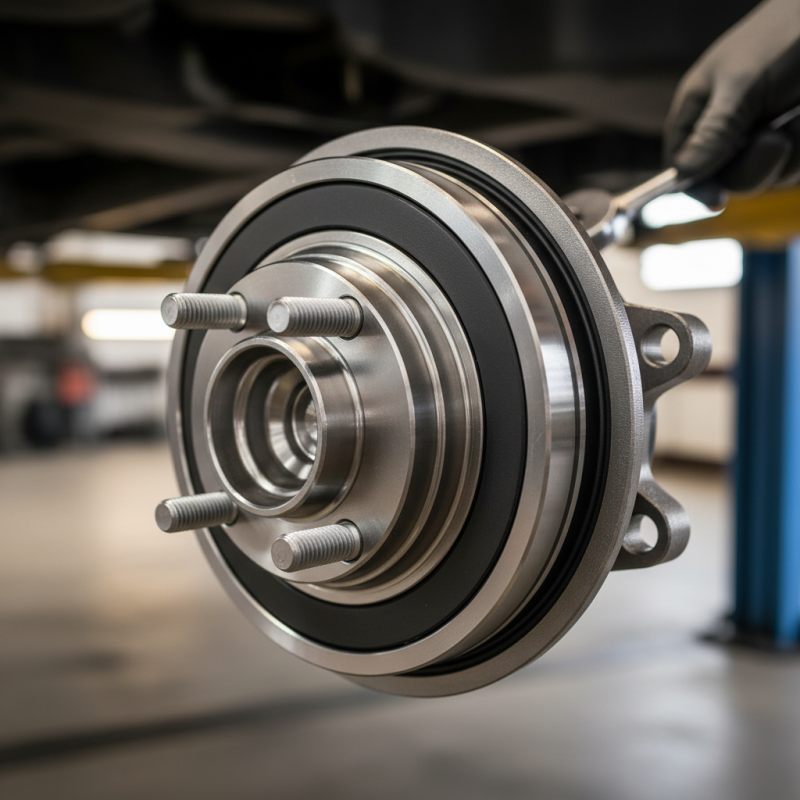
Understanding the basic structure is essential. A wheel hub bearing unit typically includes inner and outer races, rolling elements, and seals. The races provide a surface for the rolling elements to move smoothly. Seals keep dirt and moisture out, boosting the lifespan of the unit. Regular inspection of these components can prevent costly repairs. If the seals are damaged or worn, they may allow contaminants to enter and cause premature failure.
Choosing the right unit can be challenging. Many factors come into play, such as load capacity and design. When unsure, it’s easy to pick an incorrect option. This mistake may lead to increased noise or reduced performance. Spending time researching and consulting with knowledgeable sources can make a difference. Be cautious; the right choice will enhance your driving experience.
How to Choose the Best Wheel Hub Bearing Units for Your Vehicle?
| Feature | Description | Importance Level |
| Material | The material used can impact durability and performance, commonly metal or composite. | High |
| Sealing Type | Seals prevent contaminants from entering, enhancing lifespan. | Medium |
| Load Capacity | The maximum weight the bearing can support, crucial for performance. | High |
| Installation Type | Some units are easier to install than others; consider expertise. | Low |
| Warranty Period | A longer warranty can indicate higher quality and reliability. | Medium |
Importance of Selecting the Right Wheel Hub Bearing
Choosing the right wheel hub bearing units is crucial. These components support your vehicle’s weight and enable smooth movement. A report by the Automotive Aftermarket Industry Association revealed that around 5% of vehicle failures are linked to poor bearing choices. This emphasizes the importance of proper selection.
Quality bearings reduce friction and improve fuel efficiency. Studies show that vehicles with efficient wheel hub units can save up to 2% on fuel costs annually. An incorrect bearing can lead to premature wear and costly repairs. This is a gamble you don't want to take.
When selecting bearings, consider load ratings and materials. Many options exist, but not all are suitable for every vehicle type. Misalignment in choices can cause performance issues. Many drivers overlook these factors, leading to regrets later. Take the time to research and understand your vehicle's needs before making a decision.
Key Factors to Consider When Choosing Wheel Hub Bearings
Choosing the best wheel hub bearing units for your vehicle involves understanding several key factors. First, consider the material. High-quality bearings are usually made of durable steel or advanced composites. These materials can withstand various driving conditions. They offer better performance and longevity. It’s crucial to evaluate whether the material meets your driving needs.
Next, you should assess the bearing type. There are two main options: sealed and unsealed bearings. Sealed bearings require less maintenance but may be more expensive. Unsealed bearings may need regular lubrication but can be more affordable. This choice largely depends on your maintenance preferences and driving habits.
Furthermore, pay attention to size and fit. The right size ensures proper performance and safety. Installing the wrong size can lead to premature wear or even failure. Research your vehicle’s specifications to avoid guesswork. Finally, finding trusted sources for guidance is essential. Don’t overlook reviews or recommendations from experienced mechanics. This step might save you time and money in the long run.
Comparison of Key Factors in Choosing Wheel Hub Bearings
This chart illustrates the importance of various factors to consider when choosing wheel hub bearing units for vehicles. Durability and performance are rated the highest, reflecting their critical role in vehicle functioning.
Comparing Different Types of Wheel Hub Bearing Units
When selecting wheel hub bearing units, it's vital to understand the different types available. There are generally two main categories: conventional and unitized bearings. Conventional bearings are adjustable and typically require regular maintenance. They consist of separate components, allowing for easier replacement of worn parts. However, this complexity may lead to installation errors if not carefully set.
In contrast, unitized wheel hub bearings come pre-assembled. This design simplifies installation and reduces the chances of mistakes. Many prefer this option for its ease and efficiency. Yet, this convenience can come at a higher cost upfront. It’s essential to weigh the benefits of reduced maintenance against the initial expense.
Moreover, different vehicles may have specific requirements that influence your choice. Not all units fit all cars seamlessly. Therefore, vehicle compatibility is crucial to prevent long-term issues. Understanding these differences can lead to a more informed choice.
Common Mistakes to Avoid When Purchasing Wheel Hub Bearings
When purchasing wheel hub bearings, many make common mistakes. Focusing solely on price often leads to compromised quality. Cheaper options may wear out faster, causing issues down the line. Always consider the balance between price and quality.
Not checking compatibility can be a costly error. Each vehicle requires specific hub bearings. Failing to confirm compatibility might lead to poor performance or even damage. Researching your vehicle's specifications is essential. You should also consult professionals if unsure.
Tips: Always read user reviews. They offer insights into reliability and longevity. Don't rush the decision; take your time. Shortlisting a few options based on their performance can help. Remember, a reliable hub bearing unit is an investment in your vehicle's safety.