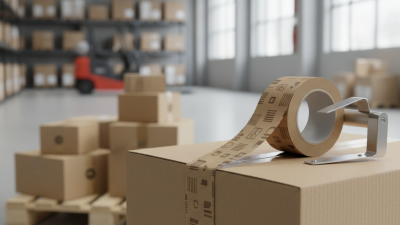
What Is Personalised Packaging Tape and Why Use It?

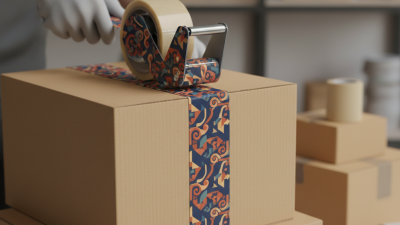
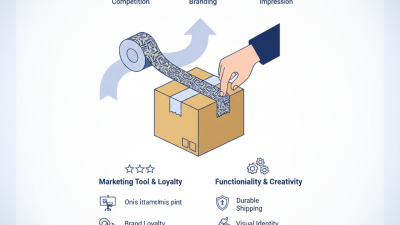
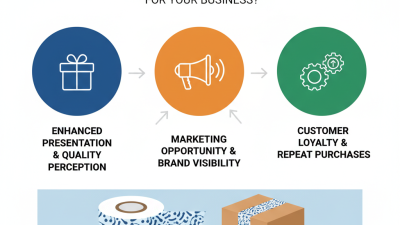
Personalised packaging tape turns an ordinary parcel into a clear expression of your brand. It can display a company name, logo, website, or simple handling message. Each sealed carton becomes easier to recognize in a busy dispatch area. The tape may also create a more consistent unboxing experience for customers.

In practical use, the result depends on more than attractive artwork. Tape width, adhesive strength, print quality, and storage conditions all affect performance. A well-prepared design should remain readable across cardboard seams and curved edges. Colours need enough contrast to stay visible under warehouse lighting. Testing a sample roll is wise before ordering in bulk.

It is not a magic fix.

Personalised packaging tape cannot replace strong cartons or careful packing methods. Weak adhesive may lift from dusty surfaces. Overly detailed artwork can look unclear when printed at a small scale. These limitations are easy to overlook during design, and they deserve honest attention. Experienced packaging teams usually compare samples, review application speed, and collect feedback from packing staff. Customer comments can reveal whether the tape feels professional or merely decorative.

Used thoughtfully, personalised packaging tape supports brand recognition while helping parcels look organised and intentional. It may improve perceived quality without adding complex packaging steps. However, the best choice balances appearance, durability, budget, and everyday handling. That balance makes the tape useful beyond decoration.
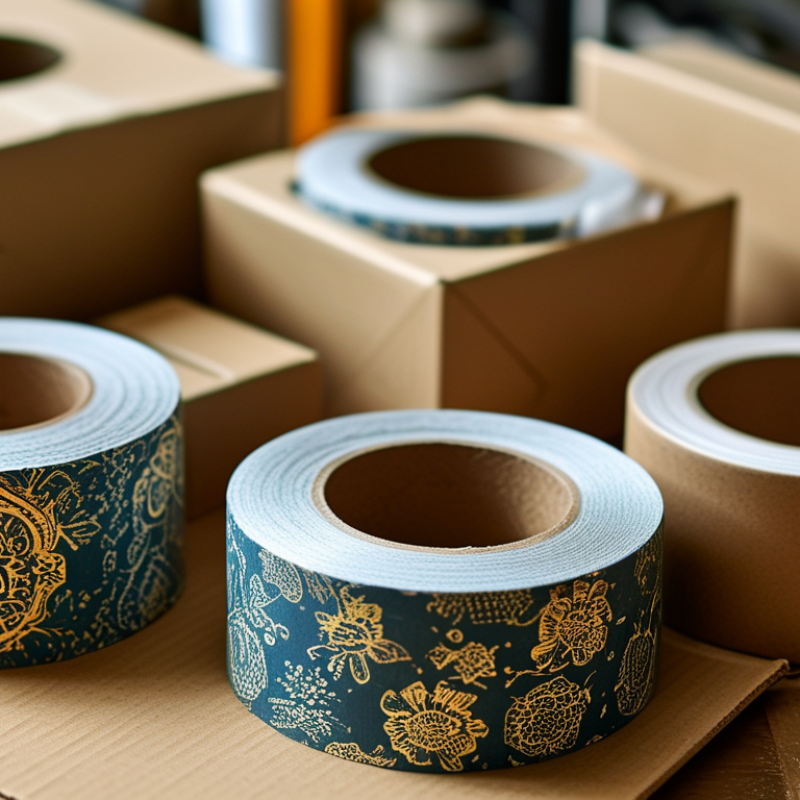
What Is Personalised Packaging Tape and Why Use It?

Definition and Core Features of Personalised Packaging Tape

Personalised packaging tape is adhesive tape printed with a company name, pattern, message, or handling instruction. It seals cartons while adding visible information to the outer package. The main components are the backing material, adhesive layer, ink, and print design. Common backings include polypropylene and paper. Adhesives may be acrylic, hot-melt, or solvent-based, depending on carton surface and storage conditions. Core features include stable adhesion, clean unwinding, readable printing, and resistance to abrasion or moisture.

A practical roll should stay attached during stacking, transport, and warehouse handling. A weak adhesive can lift at the corners. That small failure looks careless. The U.S. Census Bureau reported $1.19 trillion in U.S. retail e-commerce sales during 2024, representing 16.1% of total retail sales. More parcels create more moments for packaging to communicate. Baymard Institute’s 2024 research places average documented online-cart abandonment at 70.19%; tape cannot solve checkout friction, but it can support the post-purchase experience. Clear opening instructions, recyclable-material claims, or a simple colored pattern may reduce confusion at delivery. Smithers’ report, The Future of E-Commerce Packaging to 2028, also highlights stronger demand for efficient, communicative, and more sustainable packaging formats. Yet personalised tape is not automatically sustainable. Excess ink, plastic backing, or oversized rolls may weaken the environmental claim. Testing adhesion, print durability, and disposal instructions remains necessary.

How Personalised Packaging Tape Is Designed and Produced

What Is Personalised Packaging Tape and Why Use It?

How Personalised Packaging Tape Is Designed and Produced

Personalised packaging tape begins with a practical question: what should the tape communicate? A logo, handling instruction, website address, or simple message may work well. The design must remain readable on a moving carton. Tiny details often disappear after printing.

Production starts with the tape material, adhesive type, and roll dimensions. Paper tape offers a natural appearance, while plastic film usually provides stronger moisture resistance. The adhesive must match the carton surface. Recycled cardboard can be dusty or uneven, so testing matters.

The first proof is rarely perfect. Text may look clear on a screen but weak on brown cardboard. I have seen pale colors lose contrast under warehouse lighting. A physical sample reveals these problems earlier. Designers should check font size, spacing, ink coverage, and repeat length before approval.

The artwork is then prepared for flexographic or digital printing. Printing plates may suit repeated large orders, while digital methods can support shorter runs. After printing, the jumbo roll is cured, inspected, and slit into smaller rolls. Quality checks should include print alignment, adhesion, roll tension, and edge cleanliness.

Small errors remain possible. A rushed approval can create expensive waste. Careful suppliers record material batches and production settings, making defects easier to investigate. The finished tape should unwind smoothly, seal the carton firmly, and keep its message visible during handling.

Common Materials, Sizes, Adhesives, and Printing Options

What Is Personalised Packaging Tape and Why Use It?

Personalised packaging tape adds a printed message, pattern, or company mark to sealed cartons. It can improve recognition while helping staff identify parcels during handling. Common materials include polypropylene, paper, and PVC. Polypropylene is light, flexible, and suitable for many everyday boxes. Paper tape offers a more natural appearance and may support easier recycling, depending on local facilities. PVC is strong, but its environmental performance needs careful review.

Tape widths often range from 48 to 72 millimetres. Common roll lengths include 50 and 66 metres. Narrow tape suits small cartons, while wider tape can cover rough or recycled cardboard.

Adhesive choice matters. Acrylic adhesive performs steadily across changing temperatures. Hot-melt adhesive usually grips quickly and works well in fast packing areas. Natural rubber adhesive can provide strong initial tack, but storage conditions may affect it.

Printing options include one-colour flexographic printing, multi-colour flexography, and digital printing for detailed designs or shorter runs. Ink should resist rubbing, moisture, and ordinary warehouse lighting. A small test helps. Dust, cold surfaces, and uneven cardboard can weaken adhesion.

I once underestimated how much recycled fibre affected tape bonding. The printed design looked excellent, but the seal lifted at the corners. Material, size, adhesive, and print quality must therefore be checked together, not separately.

Practical Uses Across Shipping, Retail, and Brand Promotion

Personalised Packaging Tape: Practical Uses Across Shipping, Retail, and Brand Promotion

Personalised packaging tape combines strong adhesive with printed text, patterns, or visual instructions. It can close cartons while making routine parcels easier to identify. In busy dispatch areas, a clear design helps staff match packages with delivery batches. It may discourage careless opening, though it cannot replace a proper security seal.

Not foolproof. Test adhesion on corrugated cardboard before ordering large quantities. Dusty surfaces, cold storage, and recycled cartons can reduce grip. That detail is easy to overlook.

For shipping, tape can show handling messages, return guidance, or customer service instructions. Large, readable lettering works better than crowded artwork.

Retail teams can use it on gift boxes, refill parcels, and click-and-collect orders. A consistent strip across the opening makes presentation feel deliberate.

It also gives temporary staff a visual packing cue. However, printed tape can be wasted when carton sizes change. Measure common box widths first.

In brand promotion, every sealed parcel becomes a small moving display. A memorable colour scheme can support recognition from the warehouse to the doorstep. Retail counters can use short campaign messages without adding another label. Keep claims accurate and dates current. Old promotional tape can create confusion.

Some designs look attractive on screen but lose clarity after cutting.

Start small. Request a physical sample, check contrast under ordinary lighting, and review the first production run. Personalised tape is useful when packaging performance remains the priority.

Key Benefits and Factors to Consider Before Choosing It

Personalised packaging tape carries a logo, message, pattern, or handling instruction on its adhesive backing. It turns a plain carton into a visible part of the delivery experience. In packing trials, printed tape can help staff identify outgoing parcels faster. Small detail, noticeable impact. It may also create a more consistent unboxing experience for customers receiving several parcels.

The tape can discourage casual tampering because damaged printing is easier to notice. It may reduce the need for separate labels, depending on your packing process. Clear graphics also improve recognition when boxes move through busy warehouses. A professional appearance can support trust, but design cannot fix weak cartons or careless sealing. That limitation matters.

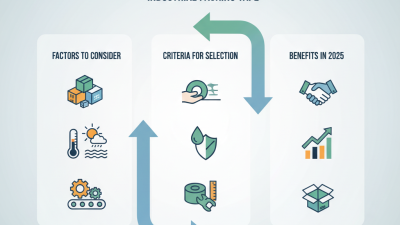
Several practical factors deserve attention before ordering. Check whether the adhesive suits corrugated cardboard, recycled board, or smooth surfaces. Acrylic adhesives often handle storage changes well, while other formulas may grip faster. Temperature, dust, humidity, and transport time can affect performance. Ask for samples and test them on real cartons, not only clean showroom boxes. Pull the tape firmly and inspect the seal after one day. Print quality matters too; small text may blur on textured tape. Confirm roll width, length, core size, minimum order quantity, and storage guidance. Recyclability claims should be verified against the tape material and your local waste system. A beautiful sample can still fail during winter delivery.