Why Use Sealing Tape for Effective Insulation and Protection?
Sealing tape is an essential tool for insulation and protection. It provides a reliable barrier against air, moisture, and dust. In homes and buildings, it often goes unnoticed, yet its role is critical. Many homeowners overlook this simple product. They might not realize how sealing tape can enhance energy efficiency.
Properly applied sealing tape can prevent drafts. This helps maintain comfortable indoor temperatures. Insulation becomes much more effective when every gap is sealed. However, not all sealing tapes are created equal. Some may also not adhere well, leading to costly repairs later. Choosing the right type is crucial.
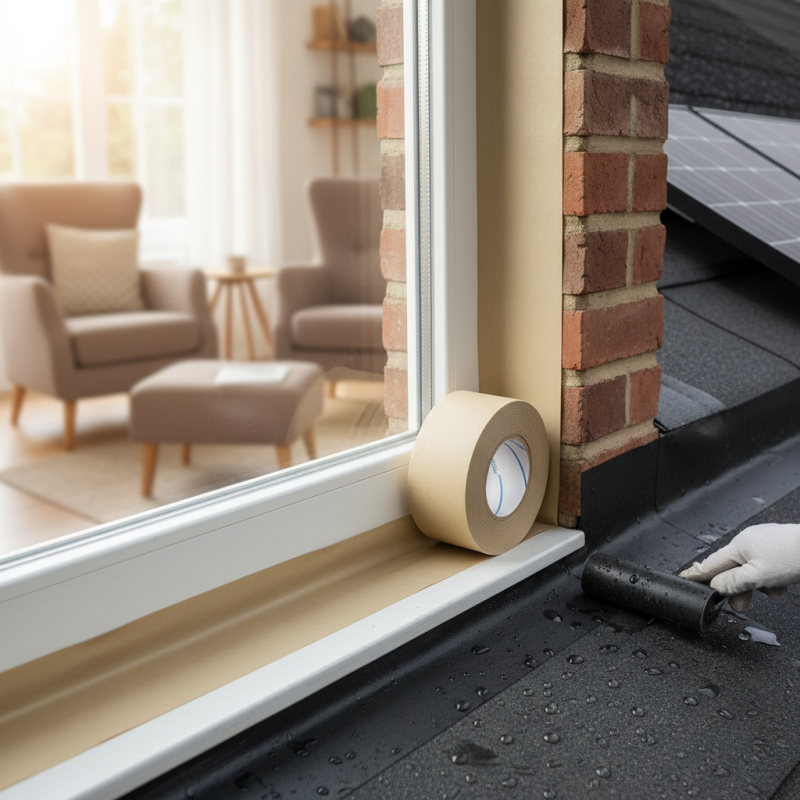
In outdoor applications, sealing tape protects against weather damage. It seals joints and seams effectively, extending the life of roofs and windows. Yet, improper application can lead to failures. It’s important to learn and apply correctly. With careful consideration, sealing tape can be a game changer in insulation strategies.
Benefits of Using Sealing Tape for Improved Insulation
Sealing tape is an essential tool for enhancing insulation in various applications. It can significantly reduce air leaks. According to the U.S. Department of Energy, sealing gaps and cracks can save homeowners up to 20% on energy bills. This is impressive and highlights the role of sealing tape in energy conservation.
One interesting aspect is the variety of sealing tapes available. Different types cater to specific needs. For example, some tapes are designed for extreme temperatures. Others resist moisture, ensuring durability in wet conditions. However, the effectiveness can vary based on the application. Improper installation or the wrong type of tape may lead to subpar insulation.
Additionally, sealing tape contributes to protecting against dust and allergens. Containing these elements is crucial for maintaining indoor air quality. A report from the Environmental Protection Agency notes that indoor air can be more polluted than outdoor air. Using sealing tape properly helps mitigate this issue, yet many forget to check for wear over time. Regular inspection is vital for ongoing effectiveness.
Benefits of Using Sealing Tape for Improved Insulation
Types of Sealing Tape: Which One is Best for Your Project?
When it comes to sealing tape, choosing the right type can significantly
impact your project’s success. Different materials serve various purposes. For instance,
foam tape is ideal for filling gaps. It compresses easily and provides
thermal insulation.
Meanwhile, vinyl tape offers moisture resistance, making it perfect for
outdoor applications.
Another option is duct tape. It’s versatile but not always the best
for long-term use. It may peel or lose adhesion over time. If you're sealing windows, consider using
weatherproof tape. It stands up well against temperature fluctuations.
Many users overlook the unique characteristics of each tape. A small misjudgment can lead to
leaks or insulation failure.
Understanding the environment where the tape will be applied is crucial. Indoor spaces often require
different tapes compared to outdoor projects. Also, adhesive strength
matters. Weak adhesives can lead to problems, especially in high-stress areas. The choices can be overwhelming.
Reflecting on the specific needs of your project will lead to a better decision.
Application Techniques for Optimal Sealing Performance
When applying sealing tape, preparation is key. Clean the surface thoroughly. Any debris will disrupt adhesion. Ensure the area is dry. Moisture can lead to ineffective seals. Measure the lengths needed. Cut the tape precisely. Uneven edges can create gaps.
Next, apply the tape evenly. Press it firmly into place. Overlap edges slightly to enhance protection. Avoid stretching the tape; this can cause it to peel over time. If you encounter air bubbles, use a flat tool to smooth them out.
Testing the seal after installation is wise. Inspect for any missed spots. Take your time to adjust. It's better to redo a section than live with leaks. Effective insulation requires attention to detail. Small missteps can undermine your efforts. Rethink your technique if needed.
Common Mistakes to Avoid When Using Sealing Tape
When using sealing tape, many users make common mistakes. One frequent error is applying the tape on uneven surfaces. This can lead to gaps, allowing air and moisture to penetrate. It's crucial to prepare surfaces by cleaning and smoothing them. Take the time to ensure a solid foundation for the tape.
Another mistake is over- or under-stretching the tape. If you stretch it too much, it may lose adhesion. Conversely, if you don't stretch enough, it won’t seal properly. Finding the right tension is key. There’s a fine line, and it requires practice to master this technique.
Users often neglect to test the tape before a larger application. A small trial run can save time and materials. It’s wise to check for compatibility with the surface type. This simple step can prevent future headaches. Keep in mind that not all sealing tapes are created equal; their effectiveness can vary widely.
Long-term Durability and Maintenance of Sealing Tape Solutions
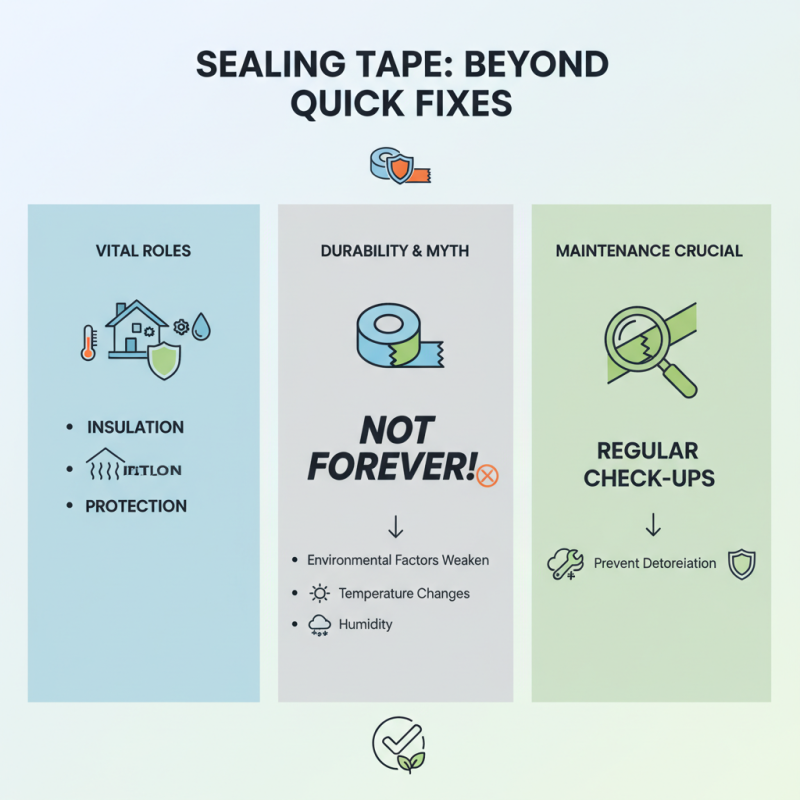
Sealing tape is not just for quick fixes. It plays a vital role in insulation and protection. Over time, its durability is often questioned. Many assume that sealing tape will last forever, but that is not the case. Environmental factors can weaken its strength. Temperature changes and humidity can affect its adhesive properties. Regular check-ups are crucial. This way, any deterioration can be addressed before it leads to larger problems.
Maintaining sealing tape solutions involves more than just applying them. Proper installation is key. If it’s not aligned correctly, gaps can form. These gaps allow air and moisture to seep through, reducing effectiveness. Regular inspections are important. Look for lifting edges or any signs of wear. Such small details can make a big impact on long-term performance. Replacing worn tape promptly can save energy and costs in the long run.
Understanding the limitations of sealing tape helps to maximize its benefits. It’s essential to know when to replace it. Choosing the right type for the specific application matters. Not all tapes are created equal. The wrong choice can lead to frustration and inadequate insulation. Reflecting on these aspects ensures better results. After all, effective insulation requires careful thought and ongoing maintenance.