UVLED Flatbed Printing Tips for Choosing the Best Options?
In the world of printing technologies, UVLED Flatbed Printing stands out for its versatility and efficiency. This method uses UV-light to cure the printer's ink as it prints, producing vibrant colors and sharp details on various surfaces. Choosing the right options for UVLED Flatbed Printing can be overwhelming. Yet, understanding key aspects makes the decision easier.
The market offers numerous models, each with unique features. Factors to consider include print speed, resolution, and the materials you can use. It's vital to match the printer’s capabilities with your specific needs. A printer that excels in one area may fall short in another. Assessing your priorities can help in making the right choice.
Investing in UVLED Flatbed Printing technology can elevate your projects. However, keep in mind that not every product will meet your expectations. Some printers may have a steep learning curve or require special maintenance. Evaluating your options thoroughly ensures that you select a reliable printer tailored to your projects' demands.
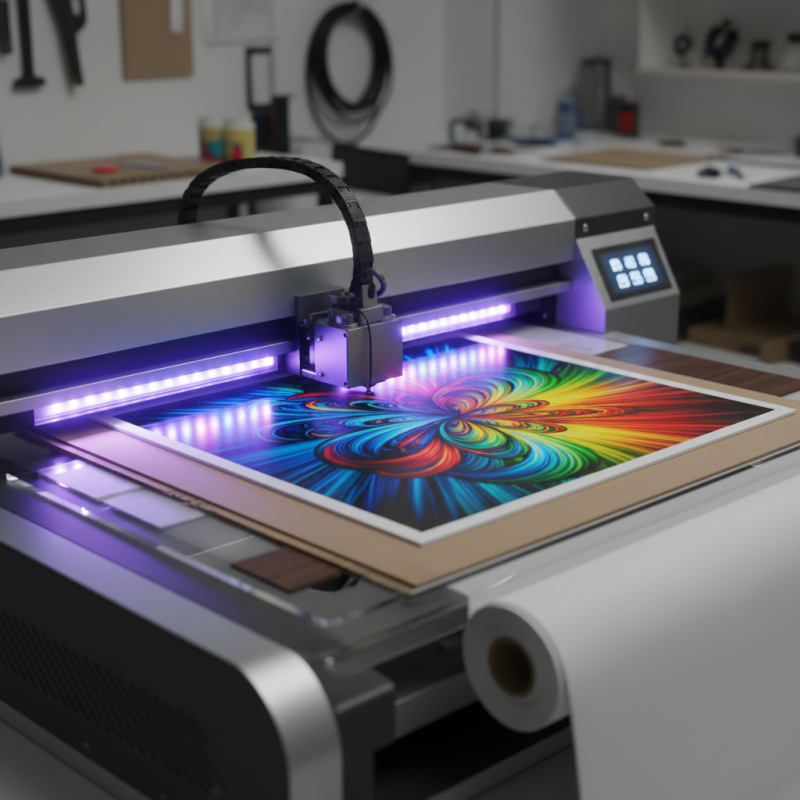
Understanding UVLED Flatbed Printers: Key Features to Consider
When selecting a UVLED flatbed printer, understanding key features is crucial. The print head technology can significantly impact output quality. High-resolution heads generally lead to sharper images. Data from industry reports indicate that printers with a minimum resolution of 1200 DPI meet most professional demands. Image clarity is essential for effective marketing materials.
Another aspect to consider is the curing technology. UVLED printers use less energy and produce less heat compared to traditional UV printers. This technology also allows for printing on heat-sensitive materials. According to recent studies, printers using advanced UVLED technology can reduce energy consumption by up to 40%. However, not all models perform equally, and some might struggle with certain substrates.
Durability is equally important. Many UVLED prints are known for their resistance to fading and scratching. A study highlighted that 80% of companies prefer printers that provide long-lasting results. Yet, it’s worth noting that the actual lifespan of prints can vary based on environmental factors. Users should reflect on their working conditions when making a choice. Consideration of these features can lead to wiser investments in printing technology.
Evaluating Print Quality: Resolution, Color Accuracy, and Detail
When choosing UVLED flatbed printers, evaluating print quality is key. Resolution, color accuracy, and detail significantly affect the final output. According to a study by the Printing Industries of America, print quality is often measured by DPI (dots per inch). Higher DPI can provide more intricate images. However, achieving high DPI requires careful calibration and proper ink selection.
Color accuracy is also crucial for professional results. A report from the International Color Consortium suggests that printers should ideally achieve a color gamut of over 80% of the sRGB spectrum. This ensures that prints closely resemble original designs. Users should also evaluate the calibration of their printers to avoid discrepancies in color reproduction.
**Tips:** Always test prints with different materials. Analyze how colors shift on various surfaces. Consider how the printer's settings affect resolution. Sometimes, the perfect print demands multiple adjustments. Evaluate the details of fine lines and gradients. Small flaws can often be overlooked but impact the overall quality significantly. Taking the time to reflect on these aspects can lead to better results.
Evaluating Print Quality: Resolution, Color Accuracy, and Detail
This chart displays the evaluation of three key dimensions affecting UVLED flatbed printing quality: Resolution, Color Accuracy, and Detail. Each dimension is rated on a scale of 1 to 10 based on various factors relevant to print performance.
Assessing Material Compatibility: What Surfaces Work Best with UVLED?
When selecting surfaces for UVLED flatbed printing, material compatibility is crucial. Not all surfaces yield optimal results. For instance, smooth materials often work well, as they allow for precise ink transfer. Metals like aluminum can be effective, but preparation is key. The surface may need pre-treatment to ensure adhesion.
Plastic surfaces present a varied challenge. Some types work well, while others do not. Polycarbonate is a good option, but acrylic may not accept ink easily. Testing different plastics is essential. Wood surfaces can also show mixed results. Untreated wood may absorb ink too much and lead to faded prints.
It's crucial to remember that some innovative materials might yield unexpected results. Experimentation is necessary. Not every choice will lead to success, and that's okay. Documenting the process can help refine future projects. Recognizing what doesn’t work is as valuable as discovering the right material.
Cost Analysis: Budgeting for Purchase and Maintenance of Printers
When budgeting for UVLED flatbed printers, consider initial purchase and ongoing maintenance costs. A recent industry report suggests that upfront costs for quality models range from $30,000 to $100,000. This wide price range reflects differences in size and capabilities. It's crucial to assess what features you need. Overspending on advanced options that you won’t use can derail your budget.
Maintenance costs can accumulate rapidly. Annual upkeep may account for 10-15% of the initial cost. Consumables like ink and substrates also contribute to the overall expense. For example, UV inks can cost up to $200 per liter. Investing in a reliable machine saves you from frequent repairs, but not all machines perform equally, which could lead to missed print opportunities.
It's essential to evaluate your production needs realistically. A model that fails to meet production demands may strain your budget further. Too often, buyers fixate on flashy features. They overlook the true cost of ownership. Conduct thorough research and consult industry resources for the best decisions. Your choice should balance performance with long-term financial viability.
Exploring Brands and Models: Finding Reliable UVLED Flatbed Options
When exploring UVLED flatbed printing options, it’s essential to focus on reliability first. Reliable models often have sturdy construction and consistent performance. Look for options that offer good print quality on various materials. Evaluating the specifications can make a significant difference in your final choice.
Researching brands can be overwhelming. Many manufacturers offer similar features. Pay attention to user reviews and feedback. Some users find that certain models have common issues, like inconsistent ink distribution. These flaws can hamper production quality. Additionally, consider the availability of support and replacement parts.
Understand that your choice might not be perfect. Every model has its pros and cons. You might experience initial learning curves. Experimenting with different materials can also lead to unexpected results. Keep refining your process, and don't hesitate to reassess your choices. Your ideal printer is out there but might not fit all your criteria initially.
